Smartphones and tablets have become an integral part of modern life, and mobile gaming has become a staple of our leisure time. The lines between entertainment and reality have grown increasingly blurred as gamers immerse themselves in virtual worlds that feel almost indistinguishable from reality. But what’s driving this trend? Advances in mobile technology, including better graphics, processors, and display quality, are making it possible for games to offer an unparalleled level of immersion, drawing gamers in and refusing to let go.
Advanced Graphics and Realistic Environments
Games like Pokémon Go and Fortnite have pushed the boundaries of what’s possible on a mobile device, with intricate textures, realistic lighting, and detailed animations. These games often employ 3D rendering, which creates a sense of depth and dimensionality that was previously the domain of console and PC gaming. The result is a gaming experience that feels almost like being there – or at least, as close as possible without actually being in the game.
The Role of Artificial Intelligence and Machine Learning
Artificial intelligence (AI) and machine learning (ML) are also playing a crucial role in the development of immersive mobile gaming experiences. These technologies enable games to adapt to the player’s behavior, creating a more personalized and engaging experience. For example, AI-powered NPCs can respond to the player’s actions in a more realistic and dynamic way, while ML algorithms can be used to generate procedurally generated content, such as terrain or enemy AI. This means that games can offer a more varied and unpredictable experience, keeping players on their toes and engaged for longer.
Virtual and Augmented Reality
Virtual reality (VR) and augmented reality (AR) have also become increasingly prevalent in mobile gaming, further enhancing the sense of immersion. VR headsets, such as the Oculus Quest, allow players to step into a fully realized virtual world, while AR experiences, like Pokémon Go, bring virtual objects into the real world. These technologies are becoming increasingly sophisticated, with many modern smartphones and tablets now featuring built-in AR capabilities.
Monetization and the Rise of Free-to-Play Models
As mobile gaming continues to evolve, traditional business models are being disrupted. The rise of free-to-play (F2P) models, where games are available to download and play for free, but with in-game purchases and advertising, has become a staple of the industry. This approach has proven to be highly successful, with many popular games, such as Clash of Clans and Candy Crush Saga, generating millions of dollars in revenue each year.
Even when we’re not playing games, many of us enjoy our outdoor spaces – whether that’s a simple patio or a more elaborate outdoor kitchen, such as those available from hadesbet. But, as we’ve seen, technology is also playing a crucial role in shaping the mobile gaming experience, and it will be fascinating to see how this continues to evolve in the years to come.
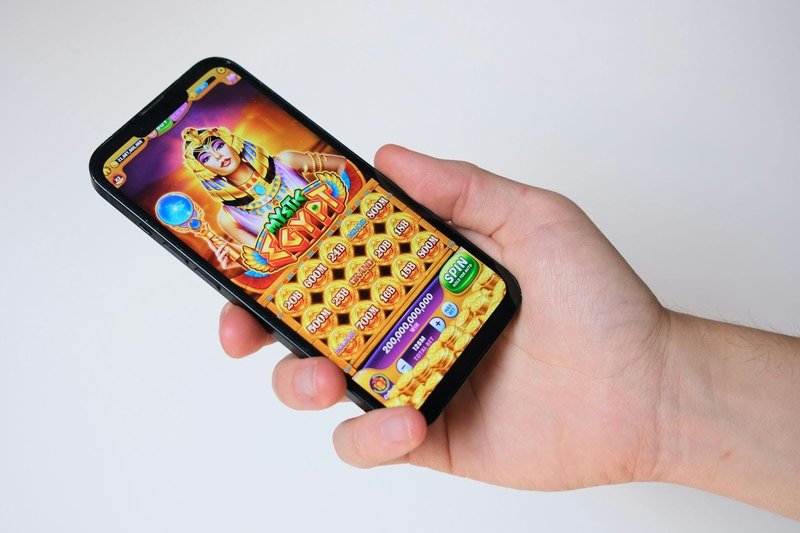
Which Platform to Choose?
So, which platform should you choose for your next immersive mobile gaming experience? If you’re after the latest and greatest in graphics and technology, a high-end smartphone or tablet is likely the best option. However, if you’re on a budget or prefer a more streamlined experience, a lower-end device may still be sufficient. Ultimately, the choice will depend on your individual needs and preferences.
Conclusion
The rise of immersive mobile gaming experiences in the digital age is a phenomenon that shows no signs of slowing down. With the continued advancements in technology and the rise of free-to-play models, mobile gaming is becoming increasingly sophisticated and accessible. Whether you’re a seasoned gamer or just starting out, there’s never been a better time to experience the thrill of immersive mobile gaming.
Pipo’s Gaming Questions
What drives the trend of immersive mobile gaming experiences?
The trend is driven by advances in mobile technology, including better graphics, processors, and display quality, which enable games to offer a high level of immersion.
How has mobile technology improved mobile gaming?
Improvements in mobile technology have led to better graphics, faster processing, and higher-quality displays, allowing for more engaging and realistic gaming experiences.