

For any person tuned into the United Kingdom’s crypto gaming scene, the buzz around the Zeppelin Crash Game is impossible to miss. This isn’t just another game. It’s a tense show where you see a digital airship’s value rise, pushing you to choose just when to exit before it crashes. The true competition, however, heats up in the official qualifier events. These are the sanctioned proving grounds. These are where experienced pilots distinguish themselves from the pack, gaining their chance at major tournaments. This guide outlines the UK schedule for these qualifiers. We’ll discuss where they take place, when they take place, and how you can get involved. Having this calendar completely is your essential first step if you aim to play competitively and potentially secure a significant payout.
The Purpose of Qualifications in High-Level Zeppelin Crash
The Zeppelin Crash Game allows anyone play, but the qualifiers define the elite flight paths. Consider them the pilot’s license test for the competitive circuit. Their job is to establish a structured, fair route to the headline tournaments that everyone mentions. From my perspective, they are the essential filters. They differentiate casual players from dedicated tacticians, guaranteeing the final tournament tables are filled with people who have dominated the game’s unique pressure. For organisers, this is about integrity and delivering a good show. For players, it’s about a definite opportunity. Doing well in a qualifier doesn’t simply provide a ticket to a bigger stage. It often includes direct prize money, exclusive badges for your profile, and bragging rights that are important in the UK crypto-gaming community. This process transforms a game of chance into a established sport of skill.
7-day vs. Monthly Qualifier Setups
The pace of qualifiers matters a great deal. The UK schedule cleverly combines weekly and monthly structures, each with its own character and strategic demands. Weekly qualifiers are short races. They are rapid, they’re hectic, and they are ideal for players who like quick outcomes and constant activity. These events assess pure intuition and the ability to manage brief strain. Leaderboards refresh every seven days, giving you regular shots to win and develop self-belief. Monthly qualifiers are the endurance events. They require a alternative method centered on consistency, prudent bankroll management, and calculated endurance. A solitary bad day here doesn’t ruin everything; your overall results across the whole month is what counts. I usually advise less experienced competitive players to start with weekly events to settle in. Experienced players often favor the monthly structures, where in-depth tactics and endurance pay off with greater prizes and higher-demand final tournament spots.
Reward Pools and Rewards for Qualifier Champions
Now for the prizes that spur the contest: the prize pools. In the Zeppelin Crash qualifier circuit, these are significant incentives designed to draw the most skilled players. The structure is typically tiered. That indicates even a top-20 placement in a big monthly qualifier can lead to a solid crypto payout. But the actual prize is the secured seat in the corresponding main tournament. From looking at many prize distributions, the worth of that seat often overshadows the direct cash prize. It offers entry to a stage where payouts can be many times larger. Platforms also incorporate exclusive rewards to the mix:
- A direct share of a determined cryptocurrency prize pool, for instance 5 BTC shared among the top 50 finishers.
- A assured, non-transferable ticket to the associated Championship Final.
- Distinctive, collectible NFT badges for your in-game profile that show off your achievement.
- Platform-specific boosts, like increased rakeback or loyalty point multipliers for a set time.
- Sometimes, physical merchandise or invitations to exclusive online community events.
This multifaceted system means every point you score, every successful cash-out you perform during a qualifier, adds to a potential payoff that transcends a simple wallet credit. It’s about establishing your reputation within the game’s world.
Understanding the Authorized UK Tournament Calendar
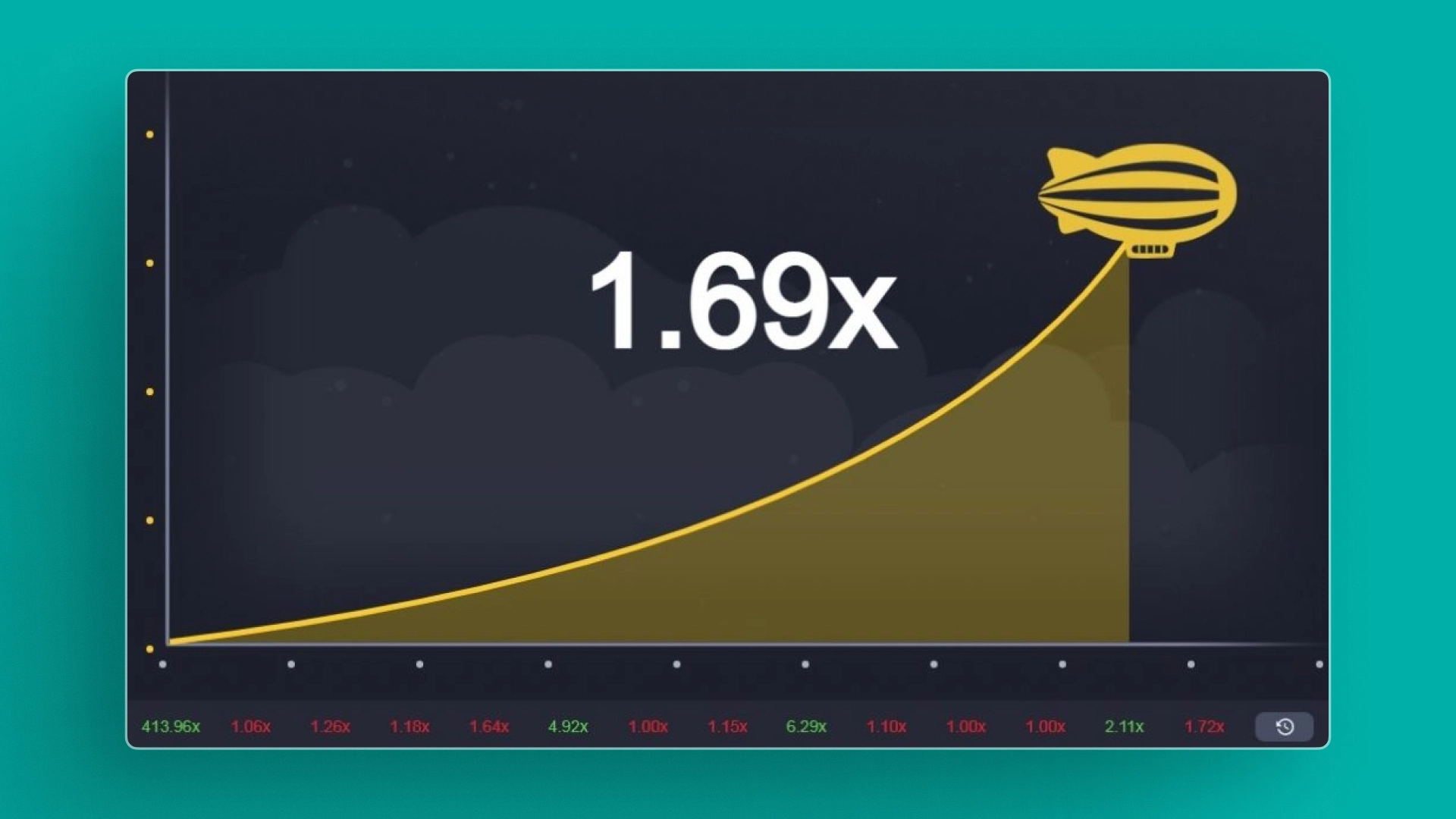
Keeping up with the Zeppelin Crash competitive scene requires a pilot’s attention to detail. The official UK tournament calendar is your essential flight map, usually divided into seasons or series. I check the official Zeppelin Crash channels every week without fail. Dates can adjust based on community activity and platform updates. You’ll generally see a combination of “Daily Dash” micro-qualifiers for quick action and the more substantial “Weekly Ascension” events that require sustained performance. The calendar narrates the story of the competitive year, building up to grand finals and seasonal championships. My advice? Mark the “Mega-Qualifier” dates in your calendar as soon as they appear. These high-stakes, limited-entry events provide the most direct paths to the largest prize pools, and they sell out quickly. Aligning your play with this rhythm is the foundation of any good strategy.
Group and Community Elements of Qualification
Among the most thrilling parts of the Zeppelin Crash qualifier scene, occasionally as thrilling as the game, is the community that grows around it. This isn’t a solo mission. During major qualifiers, platform Discord servers and Telegram groups buzz with live chat, strategy talk, and shared wins and losses. Getting involved with this community is a powerful move. I’ve gathered crucial tips from other competitors, learned about platform specifics, and found motivation in the collective push up the leaderboard. Many platforms also run watch-along streams or commentary from top players during big events, turning the competition into a shared show. Making connections here can lead to forming “syndicates” where players share non-critical strategies and help each other. In a game based on a volatile digital airship, this sense of camaraderie and shared goal is what makes the competitive journey not just profitable, but genuinely fun and socially engaging.
Strategies for Success in Qualifier Events
Winning a Zeppelin Crash qualifier requires a different approach from casual play. It’s not about a few lucky wins. It’s about achieving consistently over the entire event. My first and most critical strategy is bankroll management. Reserve a specific qualifier fund, separate from your casual playing balance. Stick to a consistent bet size. I never bet more than 1-2% of my qualifier fund on a single crash round. Next, understand the scoring system. Most qualifiers give points for both profit and volume. A strategy of frequent, smaller, high-probability cash-outs can often establish a steadier leaderboard position than hoping for a rare 1000x win. Third, leverage the schedule. If it’s a week-long qualifier, seek out the quieter times like late nights or weekday afternoons. Competition on the leaderboard might be less intense then. Last, hold your emotions in check. The public leaderboard is designed to make you react. Ignore the noise, follow your plan, and remember that steady play always beats frantic, desperate bets in a qualifier.
Main Platforms Running Zeppelin Crash Qualifying Rounds
The Zeppelin Crash Game ecosystem in the UK spreads across several leading crypto-gaming platforms. Each one brings its own community flavour and distinct features to the qualifier experience. From what I’ve observed, partner platforms like BC.Game, Stake, and Rollbit frequently function as the main organizers for these official competitions. Remember this: while the core Zeppelin Crash game remains unchanged, each platform weaves the qualifiers into its own VIP programs and bonuses. Your route to qualification might involve earning platform-specific credits on top of your crash score, or joining special qualifier stages through VIP tiers. My suggestion is to select one or two main sites that you prefer. Check their user interface, bonus deals, and community feel. Then concentrate your competitive energy there. Developing a reputation and mastering the peculiarities of a specific platform can provide you a genuine, if minor, benefit when the qualifier pressure mounts.
How to Stay Updated on New Qualifier Announcements
In the fast-changing world of crypto gaming, information is your most valuable asset. Failing to catch the announcement for a major qualifier can mean missing your chance altogether. Based on my coverage of this space, I rely on a multi-channel system to ensure I am always the first to know. Your key source should always be the official Zeppelin Crash Game channels. Their website blog and their primary social media profiles on Twitter (X) and Discord serve as the starting point for all announcements. Next, follow the official channels of the key hosting platforms mentioned earlier. They frequently announce their own exclusive qualifier series with unique prize boosts. I also subscribe to a few dedicated crypto-gaming news feeds and YouTube analysts who focus on crash games. They often give early notice and useful insight on upcoming events. Finally, turn on notifications for important community Discord servers. Setting up this layered information net changes you from a reactive player into a proactive competitor. You will be prepared to register and prepare as soon as a new qualifier opens, providing you with a vital head start.
Common Questions
What exactly is a Zeppelin Crash Game qualifying event?
A qualifier event constitutes a time-limited competitive tournament within the Zeppelin Crash Game. Players compete over a fixed period like a 24-hour period, week, or full month to climb a leaderboard by scoring points from their gameplay. Top performers win prizes and, crucially, earn seats in larger, high-stakes championship finals. It’s the primary path to the greatest competitions.
Do I need a dedicated account to enter qualifiers?
You must have a active account on a platform offering the qualifier, for example BC.Game or Stake. Frequently, you also need to opt-in for the exact event via the platform’s “Tournaments” or “Promotions” section. Simply playing Zeppelin Crash in the qualifier period could not count. Always verify the specific entry rules on the hosting site.
In what way are points determined in a usual qualifier?
Points are typically calculated with a formula that mixes your overall wagered amount and your entire profit https://zeppelincrash.co.uk/. A standard example: you could earn 1 point for every £1 wagered and 2 points for every £1 of net profit. This system benefits both active play, which is amount, and winning, profitable cash-outs, which shows skill. It fosters a strategic approach.
Can I use a gambling approach or auto-withdrawal in qualifiers?
Yes. Using a structured betting strategy and the auto-cashout feature is encouraged, it’s a smart move for reliable results. Most top competitors use auto-cashout to secure profits at set multipliers, eliminating emotion from the decision. The trick is to tailor your strategy to fit the qualifier’s specific scoring system and length.
What occurs if I qualify? What is the reward?

Securing a qualifier spot normally gets you two things: a direct cash prize from the qualifier’s prize pool and a confirmed, free entry ticket to the linked main tournament or championship. This ticket is your pass to competing for much larger prize pools, usually with no extra cost to enter.
Is there a cost to join qualifiers?
Qualifiers by themselves usually have no separate entry fee. But you have to use your own funds to place bets in the Zeppelin Crash game during the event. Your wagers produce the points for the leaderboard. View it as competing with your regular gameplay, but within a scored, time-limited framework.
What can I do to boost my chances in my first qualifier?
Take it slow. Enter a short daily or weekly qualifier first. Focus on consistent, small-profit cash-outs to create a stable point base, instead of chasing huge multipliers. Control your bankroll strictly, use auto-cashout, and watch the leaderboard to grasp the scoring pace. Most of all, treat it as a learning experience to get ready for bigger monthly events.