

Understanding the psychology behind gambling Why we take risks in casinos
The Allure of Risk: Why People Gamble
Gambling inherently involves risk, a thrill that many find irresistible. The psychology behind this behavior often relates to the dopamine rush that accompanies risk-taking. When a person engages in gambling, their brain releases dopamine, a neurotransmitter associated with pleasure and reward. This chemical reaction fosters a sense of excitement and euphoria, making individuals more inclined to take risks in hopes of winning big. The element of uncertainty magnifies this thrill, as players envision the rewards that could come from taking a chance. To explore more, you can visit https://nz.onlyspinscasino.nz/.
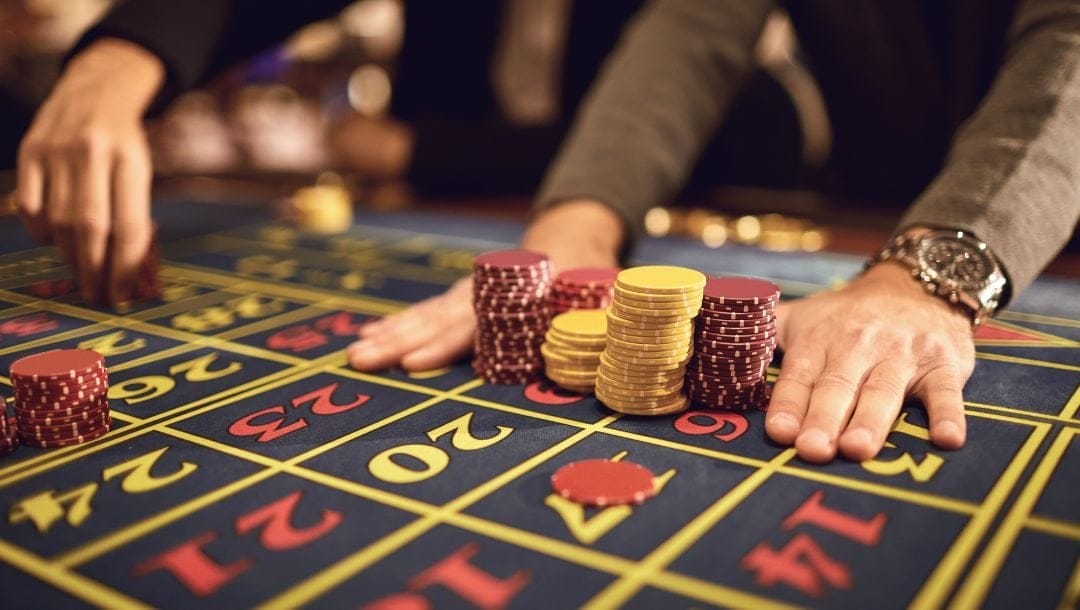
This desire for risk can be further explained through the lens of evolutionary psychology. Humans are hardwired to seek out rewards for their efforts, and gambling provides a tangible manifestation of this drive. The potential for instant gratification—winning money or prizes—can be more appealing than the possible consequences of loss. For many, the excitement of not knowing the outcome can outweigh the fear of defeat, driving them to engage in gambling activities repeatedly.
Moreover, social and cultural factors play a crucial role in shaping gambling behavior. In many societies, gambling is associated with fun, celebration, and camaraderie. The social aspect, including shared experiences with friends and family during gaming activities, enhances the overall allure of gambling. This communal engagement often fosters a supportive environment, making it easier for individuals to take risks they might otherwise avoid when alone.
The Role of Luck Versus Skill in Gambling
In the gambling world, the debate between luck and skill is prominent. Many games rely heavily on chance, such as slot machines and roulette. The randomness of these games appeals to the thrill-seeking nature of players who believe in the possibility of luck being on their side. The excitement of the unknown outcome captivates many, encouraging continuous play and an ongoing investment of time and money. Players often cling to the notion that luck will eventually favor them, which keeps them engaged. The concept of skill can transform one’s approach, making gameplay more strategic.
Conversely, games that involve skill, like poker or blackjack, attract a different kind of gambler. These players often enjoy strategizing and applying their knowledge to improve their chances of winning. Skill-based games foster a sense of control that contrasts sharply with the randomness of chance-based games. This balance between luck and skill creates a diverse gambling landscape, appealing to a wide range of preferences among players.
Understanding the nuances between these two types of games is vital for responsible gambling. Recognizing that luck plays a dominant role in many games can help individuals manage their expectations and avoid falling into the trap of chasing losses. In contrast, honing skills in games that rely on strategy can provide a more structured approach to gambling, potentially leading to more satisfying experiences.
Psychological Traps: The Gambler’s Fallacy
The gambler’s fallacy is a cognitive bias that leads players to believe that past outcomes influence future events in random games of chance. For example, if a roulette wheel lands on red multiple times in a row, players may feel that black is “due” for a win. This misconception can lead to increased betting and larger risks, as individuals are driven by the false belief that they can predict outcomes based on previous results. Understanding this psychological trap is essential for gamblers looking to maintain a healthy relationship with gambling.
Another common psychological trap is the “near-miss” effect, where players experience a close call and interpret it as a sign of imminent success. For instance, if a player almost hits a jackpot but doesn’t, they may feel encouraged to continue playing, convinced that a win is just around the corner. This effect reinforces the notion that they are on the brink of winning, which can lead to problematic gambling behavior if not properly managed.
Additionally, the escalation of commitment is a significant psychological factor. When individuals invest time and money into gambling, they may feel compelled to continue, even when facing losses. This phenomenon can create a cycle where players double down on their bets, hoping to recover their losses. Recognizing these psychological traps can empower gamblers to make more informed decisions and set appropriate limits to protect their financial wellbeing.
The Social and Cultural Dimensions of Gambling
The social environment in which gambling occurs can dramatically influence individual behavior. In many cultures, gambling is intertwined with social activities, making it a communal experience rather than an isolated one. Casinos and gaming venues often promote a lively atmosphere that encourages players to socialize and celebrate wins together. This communal aspect can enhance the thrill of gambling, as shared experiences often lead to increased enjoyment and risk-taking behavior.
Peer pressure also plays a role in gambling decisions, especially among younger players. Friends and acquaintances can encourage one another to engage in risky behaviors, such as higher stakes or prolonged play. The influence of social circles can make gambling seem more acceptable, leading individuals to take risks they might otherwise avoid. Understanding these social dynamics is essential for comprehending why some players may feel compelled to gamble more than they can afford.
Moreover, cultural narratives surrounding gambling can shape attitudes toward risk-taking. In some societies, gambling is seen as a rite of passage or a tradition that signifies wealth and success. These cultural perceptions can create an environment where individuals are more likely to embrace gambling as a way to achieve status or acceptance, further reinforcing the inclination to take risks in casinos.

Explore Thrilling Options at Onlyspins Casino
If you’re intrigued by the psychology of gambling and want to experience the excitement for yourself, Onlyspins Casino offers an array of gaming options tailored for every player. With a vast selection of over 12,500 games, including slots and live dealer experiences, there’s something for everyone. Engaging with both luck-based and skill-based games allows players to explore different facets of gambling while enjoying the thrill of potential rewards.
Onlyspins also fosters a user-friendly environment, ensuring that both novice and experienced gamblers can navigate the platform seamlessly. The enticing bonuses and promotions add to the excitement, encouraging players to explore various games and discover what suits them best. Understanding the psychology behind gambling can enhance your experience at Onlyspins, allowing you to engage mindfully while enjoying the social and thrilling aspects of gaming.